Developing & Launching an Effective Sales Strategy
After years in the publishing industry, spending time around writers, working with writers, and even conducting a large-scale survey of writers, I’ve heard one thing more than anything else: marketing is hard. Of course, I’ve also heard plenty that writing is hard, editing is hard, and staying consistent when there’s little revenue coming in is really hard.
But when I’ve asked authors and entrepreneurs what their biggest challenges are—not just for their books—the most common response is how do I market my X? Be it a book, a course, a subscription, or a masterclass—whatever; people always struggle to market it.
And here’s the crazy thing: even successful people still ask this question.
So today, I want to provide an answer.
Just kidding. That’s impossible. There is no one answer. But what I do want to do is provide a little distinction between sales and marketing strategies and how to effectively launch a sales strategy.
Bear with me; I’m a marketing guy.
The Difference Between Sales and Marketing Strategies
Before you even think about marketing or sales plans, you have to understand the subtle difference.
Marketing is about attention. It’s about getting people interested in you and what you have to offer. Marketing exists to get eyes on you, to highlight your brand, and to show your value.
Really, this is why it's so hard.
Because getting someone’s attention, much less holding onto their attention, is not easy. There’s a bit of chance too. You have to be offering something that people are interested in. Then you have to find those people and stand out amongst their other options in that niche.
It’s not easy.
 Paul
Paul
Let’s imagine that you have cracked the code on getting that attention. You’ve got an audience.
What now?
This is when a sales strategy becomes vital. It needs to complement and even build on your marketing strategy, turning the interest you earn from your marketing into revenue.
Building a Consistent Sales Strategy
Once you’ve got some attention—email subscribers, social followers, listeners, Patreon backers—you need to monetize that audience. We’ve discussed a wide variety of ways to monetize an audience over the years. Rather than rehash those topics to death, I’ve gathered articles, videos, and podcast episodes that all speak to various ways to earn revenue from your engaged audience.
Paid Ads
When you pay for ads on Google (or any other search engine), you’re bidding on the chance to be seen for specific keywords. Niche. Down.
I like to think of paid advertising as an extension of SEO. You’re building on the search terms that have been organically getting your traffic.
 Paul
Paul
The more specific you are, the more likely you are to find people who want exactly what you’re offering.
Social Media
Social media is mostly going to be a marketing channel. So pick the right platforms for your audience and focus on them—ideally two or three at the most.
That said, once you’ve established a following on your social channels of choice, you should look for ways to start monetizing. Paid social ads, much like paid search, are a good place to start.
The key to a social media sales strategy lies in your targeting. You’ve got to know your audience really well and fully understand your place in the creative niche that audience occupies. Most people on social media aren’t there looking to shop. They’re looking for connections, to see reviews, or to ask you about your content.
Earning sales on social media (outside of paid advertising) is all about landing the right message on the right platform. You can’t force calls to buy your book if most of your content on that platform is centered on community or the like. You need to prime your audience with your content (and your brand) while making sure the option to buy is always present.

Sales Landing Pages
When you’re marketing yourself and your brand, you want to get interested people to subscribe. That means an email signup or some kind of paid subscription (I’ll get into that more next). This takes that person off of some other platform—like social media—and gets them on your owned land.
But for sales efforts, particularly paid ads, you want to send your customers to a page that converts (which is marketing-speak for ‘they buy something’).
Product and sales pages are key. You put effort into driving a new customer to your content, but if they aren’t inspired to buy once they get there, you’ve kind of wasted that effort.
 Paul
Paul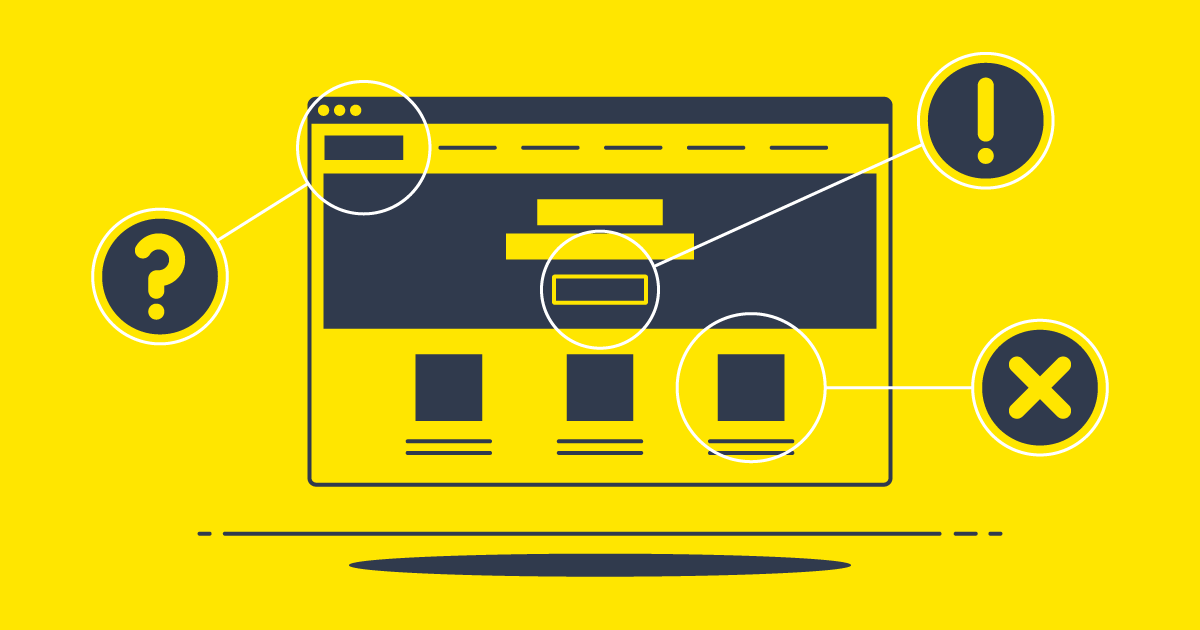
Subscriptions
It works for Netflix and Amazon; why can’t it work for you?
Subscriptions can come in a variety of forms—a monthly Patreon for exclusive content or a physical product on a regular schedule. The trick is to be able to deliver that regular content. If you can’t, you’ll struggle to keep your subscribers.
For a lot of creators, subscription services like Substack are a terrific way to let your fans support you for a modest fee while also helping distribute your content. Subscriptions are one of the more predictable sources of income for creators, and they offer an incredible opportunity to keep selling. If you’ve got people interested enough to offer you $5 a month for your content, it’s not a big leap to get them to open their wallets again for a $20 book.
 Chelsea
Backlist Book Sales
Ah, the backlist. While indie authors and entrepreneurs can easily get caught up in the newness of whatever they’re creating, backlists are where the money is at. Because that book you published five years ago can still make you money. And the trickle of revenue from multiple books can lead to sustained income.
Publishers have known and leveraged their authors’ backlist for years. For your content or business, this is often one of the most profitable untapped sources of cash.
The best part about your backlist is that the sales plan is easy: you simply keep mentioning those older editions. Sure, there might be a time and a place to actually market your older works, but in general, you just need to remind your fans that those books exist.
For example, you should absolutely mention all of your (relevant) older books on the product page for your newest release. Or when promoting a new work, reference the breadth of your backlist; “From the author of more than 20 books on the subject” type of lines show you’re an authority and subtly point out that you’ve got more books for sale.
 Paul
Paul
The 1,000 True Fan Theory
This is where your marketing and your sales efforts meet. The true fans; people who buy whatever product or service you offer because they trust and value you.
Okay, brutal truth: you need at least 1,000 fans to really make your content profitable. These are fans who will buy your book, course, subscription, or other product.
 Lauren
Start small and reasonable. 1,000 fans, each buying books, subscriptions, courses, or other products, can lead to sustainable income.
Putting Together Your Sales Strategy
I touched on five common methods of actively selling your products or services. There are plenty of others. Like newsletter placements or in-person events that can lead to spikes in your sales.
The key to finding the right strategy is to carefully follow your marketing efforts. Find the channels that are bringing in the most attention, then look for ways to shift that attention just enough so that these fans or followers become customers.
Measure what works, track which platforms are valuable for ad spend, and adjust. Just like marketing, there is no one right sales strategy, but with some attention and willingness to adjust, you can turn the attention you earn from marketing into sales.
Your Free Lulu Account
Create a Lulu Account today to print and publish your book for readers all around the world